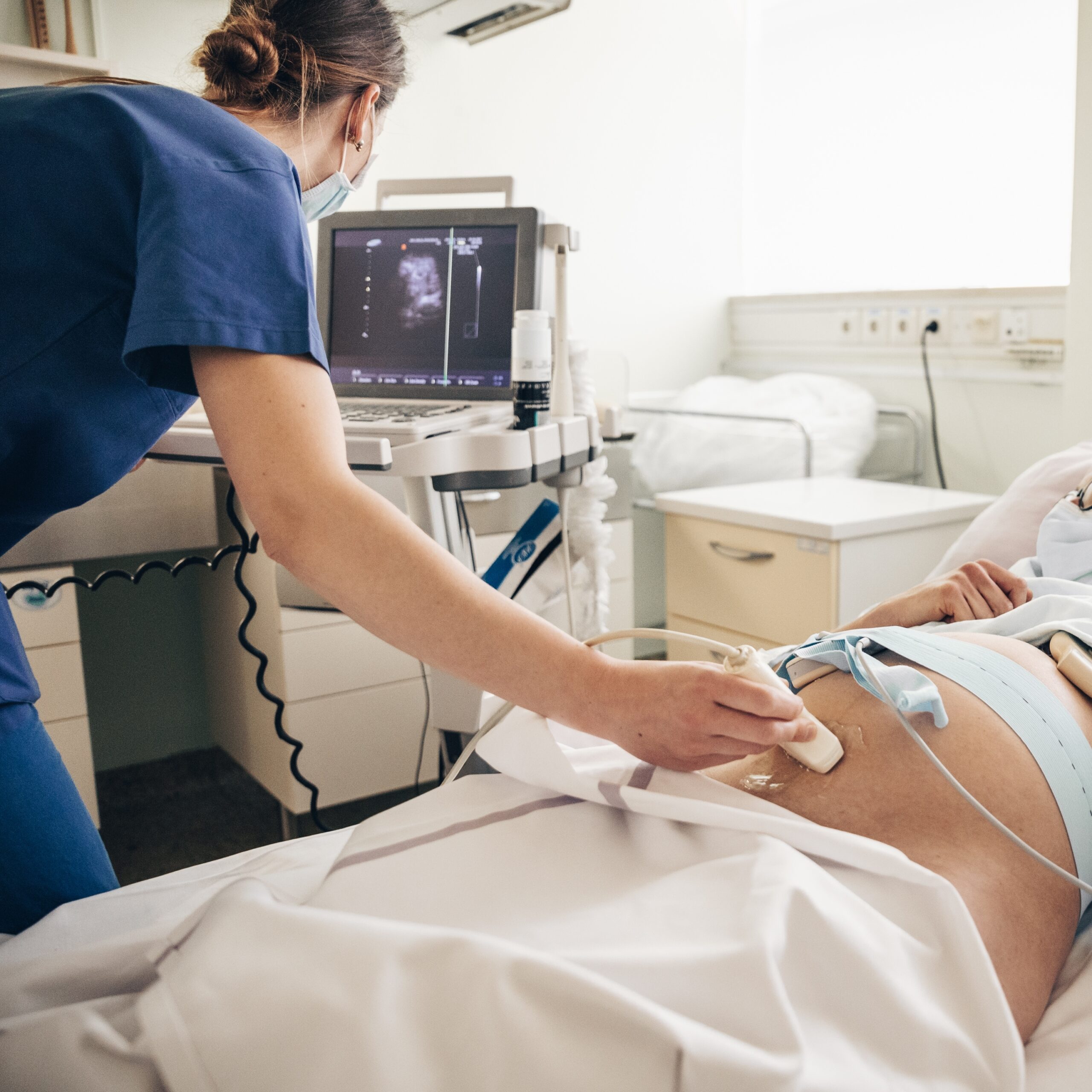

A recent and tragic case currently before the Queensland Supreme Court has ignited public discussion surrounding medical negligence, patient safety, and the responsibilities of healthcare professionals when complications arise during childbirth.
A general practitioner is standing trial on a charge of alleged manslaughter following the death of 41-year-old Queensland mother after a homebirth in December 2017. Prosecutors allege that the doctor’s actions amounted to “gross negligence” in the hours leading up to the woman’s death.
While the criminal proceedings will determine whether any criminal liability exists, the case raises important questions about medical negligence, the duty of care owed by healthcare providers, and the consequences that can follow when medical emergencies are not recognised or acted upon in a timely and efficient manner.
A High-Risk Pregnancy and a Devastating Outcome
According to reports presented to the jury, the woman planned a homebirth despite reportedly being considered a high-risk patient due to her age and obstetric history. Prosecutors allege that these factors increased her risk of suffering a postpartum haemorrhage, a serious and potentially fatal complication associated with childbirth.
The Court has heard that the woman contacted her doctor at approximately 3:00am after her waters broke because “she felt something was wrong”. Prosecutors allege the doctor did not arrive until about 5.00am, by which time the baby had been delivered.
According to the prosecution, although both mother and baby initially appeared to be doing well, the woman’s condition subsequently deteriorated. It is alleged that symptoms consistent with a postpartum haemorrhage were not recognised or acted upon appropriately and that there was a critical delay in obtaining emergency medical assistance.
The jury has also been told that emergency operators allegedly provided instructions to the doctor on how to perform CPR during a triple-zero call after the woman became unresponsive. By the time paramedics arrived, the woman was critically unwell. Despite extensive hospital efforts to save her life, she died later that day.
Recognising and Responding to Foreseeable Complications
One of the most significant aspects of this case is the allegation that the woman’s pregnancy and planned homebirth carried recognised risk factors.
Healthcare practitioners providing care during pregnancy and childbirth are expected to identify known risks and manage them appropriately. When a patient falls into a higher-risk category, there may be an increased need for monitoring, assessment, contingency planning, and escalation of care if complications develop.
Furthermore, postpartum haemorrhage remains one of the leading causes of maternal mortality worldwide. While many cases can be successfully treated, the condition can progress rapidly and requires urgent medical intervention. Early recognition and swift treatment are often critical to a patient’s survival. Healthcare professionals involved in maternity care are generally expected to recognise the signs of significant blood loss and understand the potentially fatal consequences if treatment is delayed.
The prosecution in this case alleges that signs of postpartum haemorrhage should have been recognised earlier and that emergency medical assistance should have been sought sooner.
Medical Negligence
The terms “medical negligence” and “medical neglect” are often used interchangeably.
Medical negligence occurs when a healthcare provider breaches their duty of care by failing to provide treatment that meets the standard reasonably expected of a competent professional, causing injury or death.
In childbirth-related cases, allegations of delayed treatment, failures to escalate concerns, inadequate monitoring, or failures to obtain emergency assistance may potentially give rise to claims involving negligence, depending on the circumstances.
When Can a Medical Negligence Claim Arise?
Not every adverse medical outcome will amount to negligence.
To succeed in a medical negligence claim, it is generally necessary to establish that:
- A healthcare professional owed a duty of care to the patient.
- The healthcare professional breached that duty.
- The breach caused or materially contributed to the injury or death.
- The patient or family suffered loss as a result.
These claims often involve detailed medical evidence and expert opinion regarding what a competent practitioner would have done in similar circumstances.
A Powerful Reminder About Patient Safety
Regardless of the eventual outcome of the criminal trial, the allegations currently before the Queensland Supreme Court highlight the importance of timely medical assessment and intervention when serious complications arise during childbirth.
The case serves as a stark reminder that recognising risk factors, responding promptly to signs of deterioration, and obtaining emergency medical assistance without delay can be matters of life and death.
For healthcare professionals, vigilance is essential. For patients, understanding their rights and expectations of care is equally important.
We Can Help
If you or a loved one has suffered injury, complications, or loss due to suspected medical negligence, obtaining experienced legal advice is crucial.
At Stacks Goudkamp, our experienced medical negligence team investigate claims involving:
- Delayed diagnosis and treatment
- Obstetric and birth-related injuries
- Hospital treatment failures
- Surgical errors
- Medication mistakes
We act on a No Win, No Fee Basis
If you believe medical negligence may have contributed to injury or the loss of a loved one, contact the experienced team at Stacks Goudkamp for a confidential, obligation-free discussion about your legal rights.